Credit card processing 101: where your fees actually go
What happens when a customer swipes — pricing models, junk fees, and the markup that actually matters.
Business Payment Systems
Plain-English guides on fees, statements, chargebacks, and contracts — for owners who don’t have time for processor jargon.
Your processing statement hides more than it shows. The three numbers to check, how each section works, and the red flags that mean you’re overpaying.


Spot the fees you shouldn’t pay — line by line.
Five plain-English guides for Texas merchants who want straight answers on fees, funding, chargebacks, and contracts.
What happens when a customer swipes — pricing models, junk fees, and the markup that actually matters.
The three numbers to check, how each section works, and the red flags that mean you’re overpaying.
Why some processors hold your money, what next-day funding means, and what slow deposits cost your cash flow.
Deadlines, reason codes, the evidence that wins disputes, and how to prevent most chargebacks entirely.
Early termination fees, auto-renewals, and “free” terminal leases — the clauses that cost merchants the most.
Want the full fee framework free? notes-on-payments.netlify.app
Start with the free statement analysis
Send one recent statement. We’ll show you, line by line, where you’re overpaying — free. No obligation, results in 24 hours.
No charge · No obligation · Results in 24 hours
Call, text, or send your statement — whichever is easier.
Text your statementNo obligation · Results in 24 hours · $0 cost
 Michael Pacheco
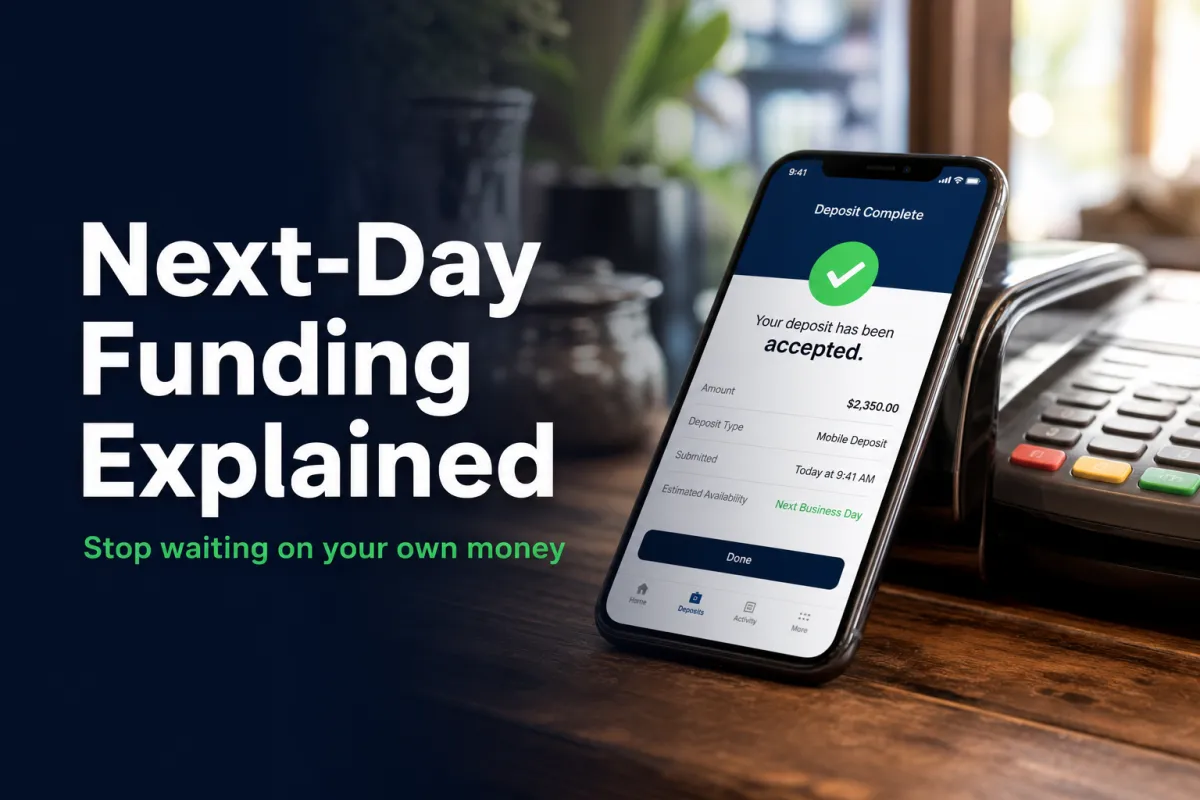
Approved today shouldn’t mean deposited Thursday. How card funding really works, what next-day funding means, and what slow deposits cost your cash flow.
 Michael Pacheco
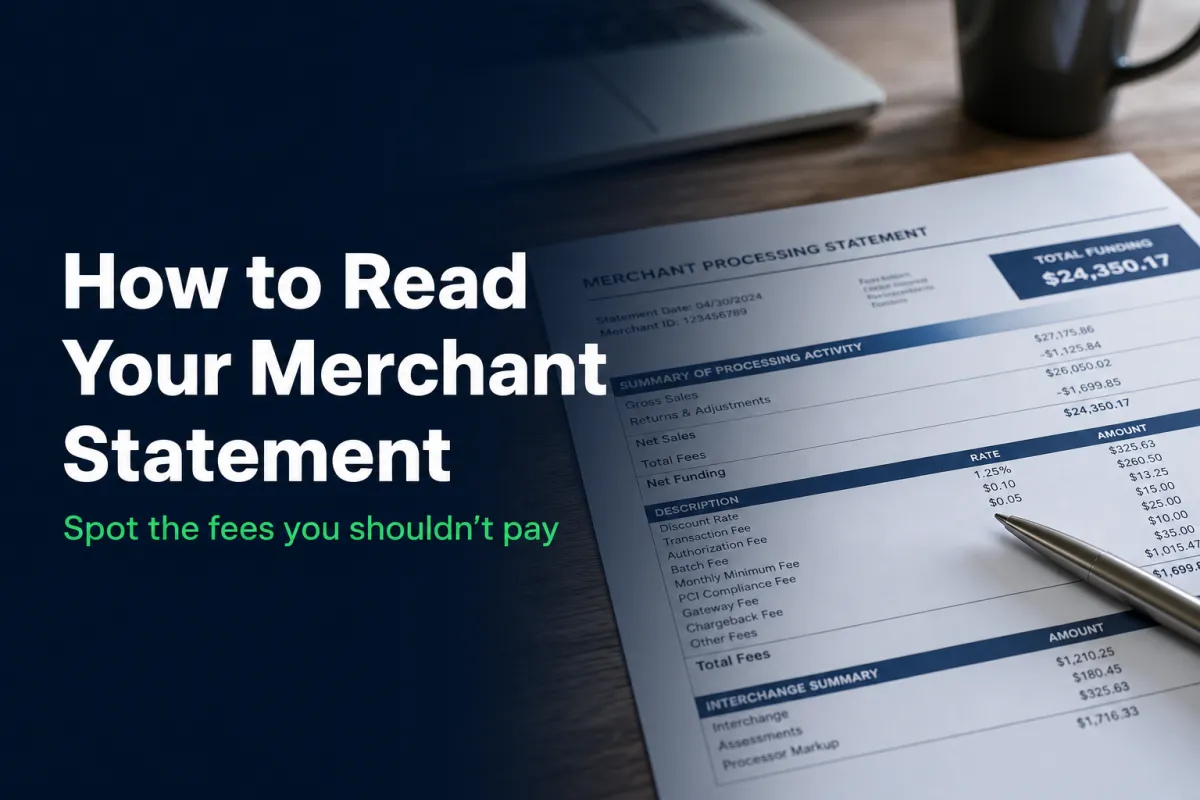
Your processing statement hides more than it shows. Learn the three numbers to check, how each section works, and the red flags that mean you’re overpaying.
 Michael Pacheco
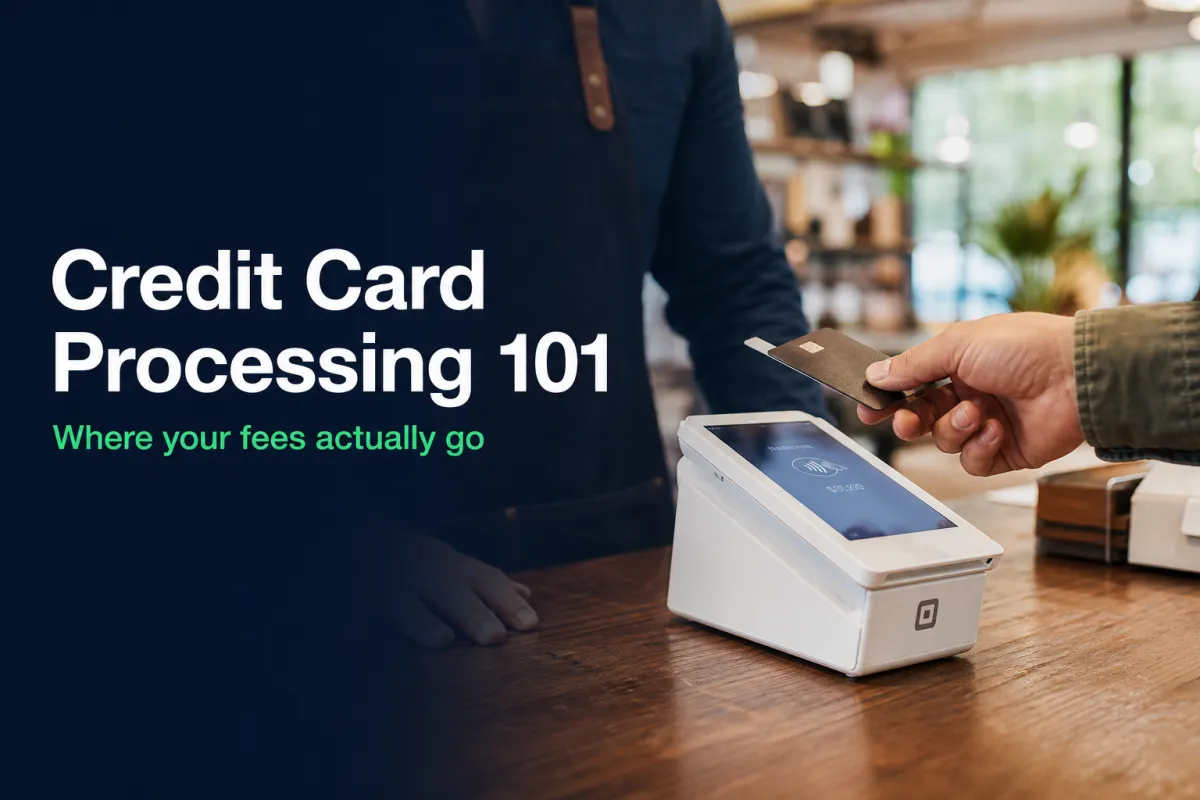
What happens when a customer swipes their card? A plain-English guide to processing fees, pricing models, and the junk fees hiding on your merchant statement.